
Health & Hope: Ending HIV
HIV remains one of Uganda's greatest public health challenges, affecting approximately 1.5 million people and disproportionately impacting women, children, and marginalized communities. For more than two decades, FOCAGIFO Hope Institute has worked alongside local leaders, faith communities, schools, and health partners to prevent new infections, reduce stigma, and ensure that those living with HIV receive the knowledge, support, and care they deserve.
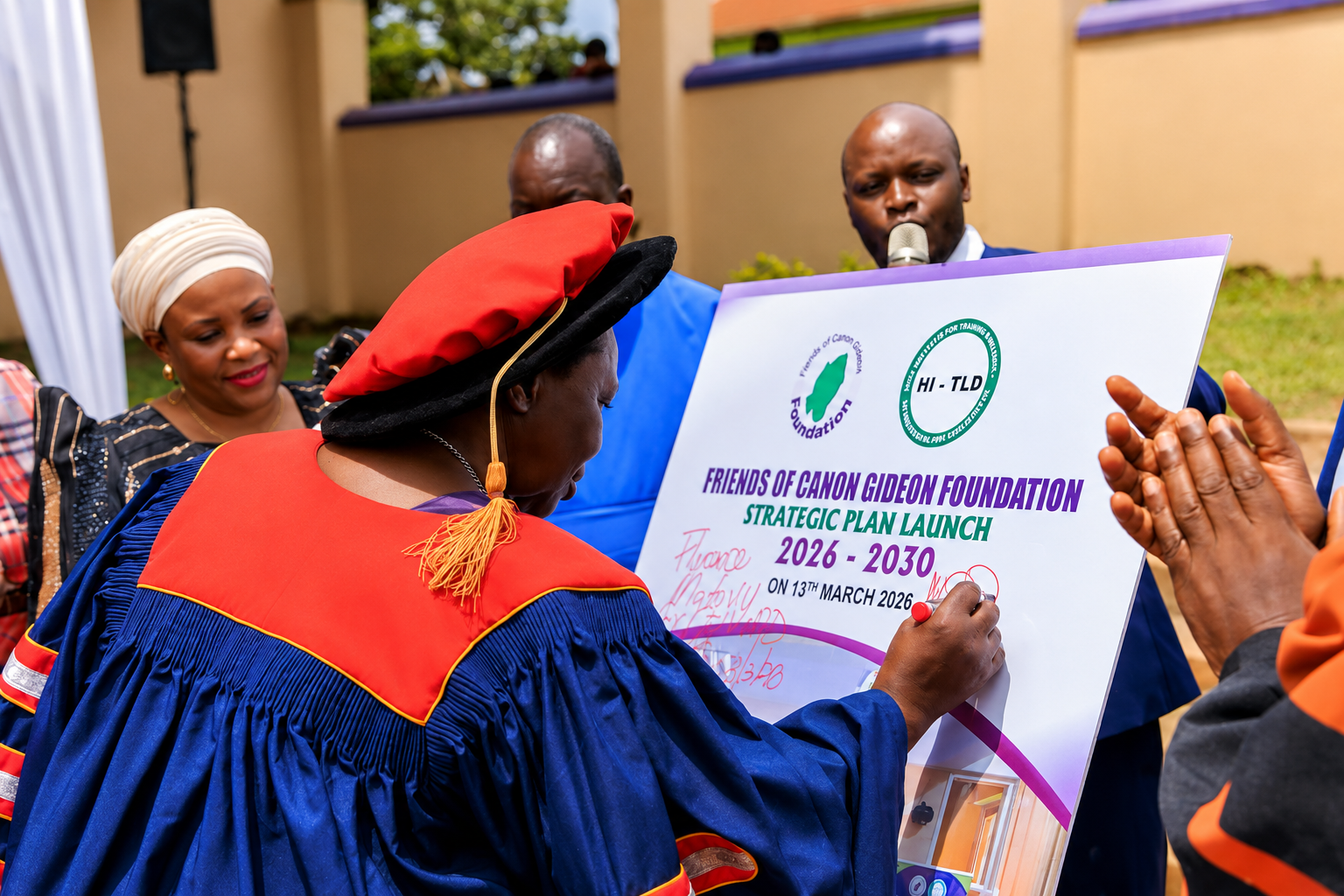
Uganda has made remarkable progress—new HIV infections have declined, mother-to-child transmission has fallen dramatically, and more people than ever have access to life-saving treatment. Yet these gains remain fragile. Funding uncertainties, persistent stigma, poverty, and unequal access to healthcare continue to place millions at risk. In March 2026, FOCAGIFO launched its 2026–2030 Strategic Plan, guiding our next phase of growth.


Why This Matters
HIV is both a medical and social challenge. It is deeply tied to structural inequalities—such as poverty, housing instability, education, and legal frameworks. If we are to achieve an HIV-free generation, every sector, discipline, and profession must be involved.
FOCAGIFO has always existed to advocate for the vulnerable, the marginalized, and those affected by HIV. But certain obstacles persist, including economic hardship, stigma and discrimination, inadequate access to health services, gender-based violence, low literacy, and religious or cultural attitudes that obstruct prevention efforts. Our holistic approach attempts to address all of these key social determinants of health.
Who We Serve
FOCAGIFO serves the people most vulnerable to HIV and its consequences. Our programs reach adolescents, women and girls, people living with HIV, a variety of faith communities, families and individuals challenged by poverty, destabilized and migratory workers, and underserved rural populations who often have limited access to health information and services.


Our Approach
We prevent HIV through education, testing awareness, stigma reduction, youth leadership, and community partnerships. Working through schools, churches, mosques, community leaders, legal partners, and healthcare providers, we equip individuals with practical knowledge, encourage early diagnosis and treatment, advocate for equitable health policies, and strengthen local capacity to sustain change long after individual projects have ended.
Stronger Together
No single organization can end HIV alone.
Sustainable public health requires collaboration across government agencies, civil society organizations, healthcare providers, educators, faith leaders, and international partners.
- Uganda Network on Law, Ethics and HIV/AIDS (UGANET)
- Center for Health, Human Rights, and Development (CEHURD)
- Uganda Key Populations Consortium
- Uganda Ministry of Health
- Uganda AIDS Commission
- People of Faith Living with or Most Vulnerable to HIV
- Uganda National Equity Plan Committee to End AIDS, TB, & Malaria
- The World Council of Churches
- International Community of Women Living with HIV in Eastern Africa (ICWEA)
- Joint United Nations Programme on HIV/AIDS